Dubai Slowdown: A Tailwind for India's Luxury Market?
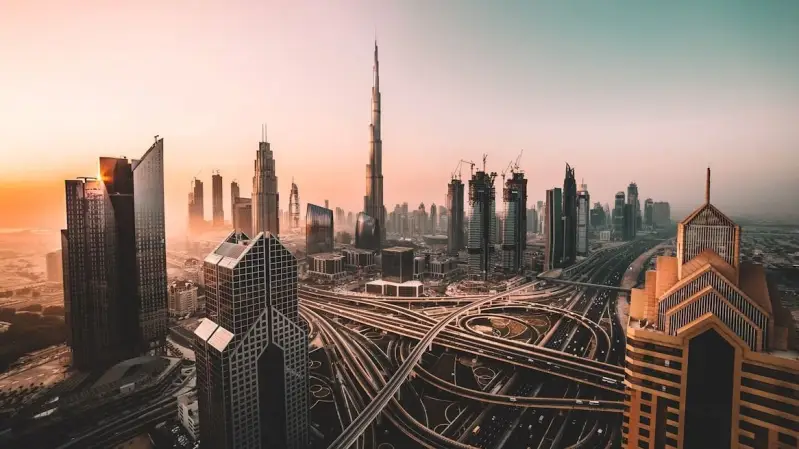
Rising geopolitical tensions in West Asia are cooling Dubai's real estate market. Between April 1 and April 14, Dubai recorded 6,535 transactions — down 14% compared to the same period last year, according to Dubai Land Department data. Transactions in March also fell 11.4% year-on-year. Shares of Emaar Properties, the developer behind Burj Khalifa, have dropped more than 26% since the conflict began.
While top developers are holding prices, smaller ones are offering discounts of 12–25% below peak on select ready properties. Rental enquiries have picked up slightly after a temporary ceasefire, but actual deal conversions remain slow.
This cooling is now turning investor attention toward India. Aditya Goel, Co-Founder of One Prastha, summed it up well: "While Dubai has traditionally been a preferred destination for global real estate investments, India today offers something far more grounded — real demand, long-term growth, and infrastructure-driven appreciation."
India's advantage lies in the depth of its market. Demand here is largely end-user driven, particularly in corridors like Gurugram, Mumbai, and emerging NCR locations. Add to that regulatory clarity through RERA, continuous infrastructure upgrades, and rupee dynamics that favour NRI buyers — and India is increasingly looking like the more stable long-term bet.
As Jagadish Prasad Naik, Chairman of DN Group, noted: "India offers a far more balanced and sustainable value proposition driven by strong end-user demand, rapid urbanisation, and long-term economic growth."
The shift may not be permanent, Dubai's structural strengths remain intact. But for now, India's luxury housing segment is clearly benefiting from the uncertainty next door.
If you want to explore properties in Mumbai, explore the right options.